The A-Rated Assumption: What Green Mortgages Really Reward in 2026
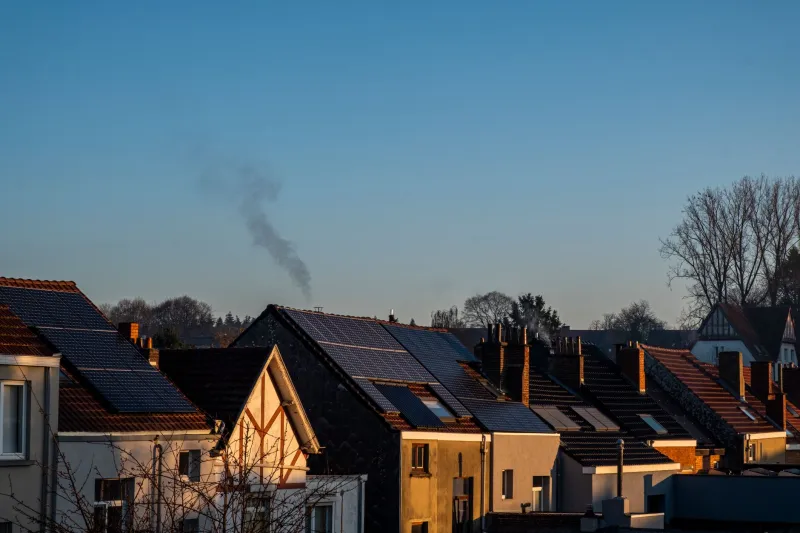
Green mortgages have moved from the margins of the UK lending market to a familiar feature of remortgage comparisons. The pitch is simple: improve your home's energy performance and the lender may reward you with a lower rate or a cash sum. For homeowners weighing up a remortgage in 2026, the important question is not whether green deals exist, but whether they offer real value once eligibility rules, fees and retrofit costs are taken into account.
An EPC A is not a universal key
There is no single industry definition of a green mortgage. Lenders set their own criteria, and those criteria can differ sharply. Some products require an Energy Performance Certificate rating of A or B. Others accept a C, provided certain improvements have been made. Some focus on new-build homes with high efficiency standards, while others reward borrowers who carry out specific retrofit measures after completion.
That means an EPC A rating is helpful, but it is not a master key. A lender may still decline an application because of loan-to-value, affordability, property type or credit history. Product availability can also change quickly. A deal advertised as green may simply be a standard mortgage with environmental marketing wrapped around it. The practical test is whether the rate, fee and eligibility terms are better than those of a comparable non-green product.
Which improvements lenders actually notice
Where lenders do offer genuine incentives, they tend to focus on measurable energy performance rather than vague claims. The most common trigger is the EPC band recorded on the register. An A or B rating is often required for a rate discount, while a C rating may qualify for cashback if the borrower commits to improvements.
Some lenders also recognise specific measures, such as loft or cavity wall insulation, double or triple glazing, modern heating controls, solar panels or heat pumps. A smaller number offer additional borrowing for retrofit work, sometimes at a reduced rate. In practice, the lender will usually want evidence: an updated EPC, an installer certificate or a valuation confirming the work has been done.
Homeowners should not assume that a superficial change will move the EPC band. The certificate is based on the whole property, including its construction, heating system and insulation. A new boiler alone may help, but it may not be enough to reach an A. A fresh assessment is often sensible before applying, particularly if the existing certificate is several years old or was produced before improvements were made.
Cashback or a cheaper rate?
The two main green incentives work in different ways. A lower interest rate reduces the monthly payment for as long as the deal lasts, and may also reduce the balance more quickly. Cashback provides an immediate lump sum, which can be useful for legal fees, valuation costs or building work.
A simple illustration shows the trade-off. On a repayment mortgage of £250,000 over 25 years, a rate reduction of 0.10 percentage points might save roughly £14 a month at current market rates. Over the full term that could amount to several thousand pounds, but only if the borrower keeps the mortgage for many years. A cashback offer of £750 is worth more immediately, especially for someone who expects to remortgage or move within a few years.
Neither option is automatically superior. The right choice depends on how long you expect to keep the mortgage, the size of the arrangement fee and whether the green deal carries early repayment charges. A lower rate with a large fee can be worse than a slightly higher rate with no fee. Borrowers should compare the total cost over the fixed period, not just the headline rate.
The retrofit arithmetic
This is where the green mortgage gap becomes most apparent. Improving a home from band D or E to band A can require significant work. Insulation, glazing, heating upgrades and renewable technology can run into tens of thousands of pounds, even after available grants and support schemes.
If the only goal is a marginally cheaper mortgage rate, the numbers rarely add up. A rate discount of a few hundred pounds a year will not repay a major retrofit programme within a sensible period. Energy bill savings may improve the picture, and a warmer home has real value, but those benefits should be weighed separately from the mortgage incentive.
The case becomes stronger when the work was already planned. A homeowner replacing an old heating system, for example, may find that choosing a heat pump or adding insulation helps them qualify for a green product at little extra cost. In that situation, the mortgage discount is a useful bonus rather than the reason for the work.
Questions to ask before applying
Before choosing a green mortgage, ask whether the discount depends on the EPC rating at completion or throughout the fixed term. Check whether the lender requires a new certificate or accepts the existing register entry. Confirm whether cashback is paid on completion or after the work is verified, and whether any clawback applies if you remortgage early.
It is also worth checking the lender's standard product range. If the green deal is more expensive once fees are included, the environmental label is doing marketing work rather than financial work. A whole-of-market broker can help compare the true cost, but the final decision should rest on affordability and long-term plans.
For most everyday homeowners, a green mortgage is best treated as one option among many. An EPC A rating may open a door, but it does not guarantee a better deal. The sensible approach in 2026 is to compare the rate, the fee, the cashback and the retrofit cost together, then decide whether the green premium is real or merely assumed.